Saturday, October 20, 2012

Sleep Wellness


Sleep Wellness                                                            
Evaluating Sleep Hygiene                                                                                                                 
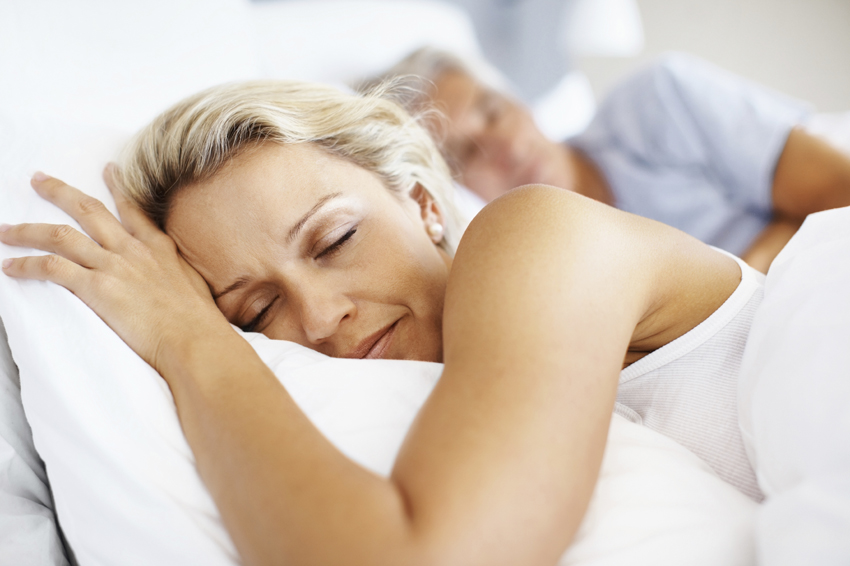

Fall into Better Sleep Hygiene
If you are like most Americans, your smart phone has replaced your alarm clock as well as your calendar, MP3 player, camera, video camera, and address book. Your smart phone has become an extension of your office, making it impossible to turn off.  It is common for people to fall asleep with their phones beside them, while others may read in bed with a digital reader.  Many people enjoy falling asleep with the television on, and some even bring their laptops to bed.  If you recognize any of these habits as your own, you may be severely jeopardizing the quality of your nighttime sleep.
Sleep hygiene is made up of a variety of different practices that are necessary to have normal, quality nighttime sleep and full daytime alertness. As we encourage testing for potential sleep apnea candidates, please also keep the following information in mind, when discussing and examining sleep health. Good sleep hygiene is important to your overall health and wellness.
DO's
   
           Here are some helpful tips to consider when improving sleep hygiene:
1.     Go to bed at the same time each night. 
2.     Wake up from bed at the same time each day. 
3.     Exercise regularly each day, preferably either in the morning or 3 hours before bedtime.
4.     Get regular exposure to the outdoors, or to bright lights, especially in the late afternoon.
5.     Keep the temperature in your bedroom on the cooler side, around 65 degrees.    .
6.     Keep the bedroom dark and quiet when sleeping. 
7.     Only use your bed for sleep and intimate time with your significant other. 
8.     Take medications as directed. It is helpful to take prescribed sleeping pills either 1 hour
before bedtime, so they are causing drowsiness when you lie down, or 10 hours before
getting up, to avoid daytime drowsiness. 
9.     Use a relaxation exercise, massage, or warm bath just before going to sleep.
10.  Keep your hands and feet warm.


DON’Ts

           Here are the things NOT to do during your sleep routine:

1.     Exercise just before going to bed. 
2.     Take daytime naps, especially more than 30 minutes.
3.     Have caffeine in the evening.
4.     Read or watch television in bed. 
5.     Consume alcohol to help you sleep.
6.     Go to bed too hungry or too full.
7.     Take another person's sleeping pills without your doctor's knowledge.
Diphenhydramine (an ingredient commonly found in over-the-counter sleep meds)
can have serious side effects for elderly patients.
 
8.     Engage in stimulating activity just before bed, such as playing a game or having an
important discussion with a loved one. 
9.     Force yourself to go to sleep. This only makes your mind and body more alert. 

Additional tip:
If you lie in bed awake for more than 20-30 minutes, get up, go to a different room and participate in a quiet activity (e.g. non-excitable reading or television). When you start to feel sleepy, return to bed and repeat this during the night as needed. 

If you are practicing these sleep hygiene tips and are still waking up feeling fatigued and/or groggy, there may be a bigger problem. You may be suffering from a sleep breathing disorder. The most common sleep breathing disorder is obstructive sleep apnea (OSA). OSA occurs when there is a physical obstruction in your airway. 
The sufferer is often unaware they have a problem since it happens during sleep, making OSA is a serious condition that should not be ignored.  Ask someone to observe you while you sleep.  This person may notice shallow breathing and possibly pauses in breath, which can look disturbing.  The breathing interruptions can last anywhere from a few seconds to a couple of minutes, per breathing episode.  This causes the individual to get restless sleep and consequently feel extremely fatigued during the day.  
If you or someone you know may be at risk for a sleep breathing disorder, please call us today, to avoid this potentially life threatening disease.   


If you would like to learn more, please contact our office:

Gary R. Hopper D.D.S.
1102 E. Morton Pl.
Hemet, CA 92543

951.925.2318

Or you can visit us online: www.garyrhopperdds.com

Tuesday, July 31, 2012

Do You or a Loved One Snore?

Join Dr. Hopper Thursday August 16th @5pm as he gives presentation on Sleep Apnea Awareness. 


Spaces are limited , so call today!!! 


Tuesday, June 5, 2012

Second Hand Snoring


Second Hand Snoring                                                       
Sleep Stealing

Did you know sleeping with a snorer can take a toll on YOUR health and wellness? People sleeping next to loved ones that snore have also reported excessive day-time sleepiness and fatigue, along with their snoring partners. Research now shows that in relationships, both individuals feel the effects of snoring, doubling the importance of treatment.

A study conducted by the Mayo Clinic in 1999 found that bed partners of people who snore woke up, at least partially, 21 times an hour on average. That’s almost as often as snorers themselves, who woke up 27 times per hour. This quantifiable damage to snorees (bed partners) should be a wake-up call. The effect on their bodies of losing even one hour of sleep a night due to snoring is significant.


When a snorer enters the deeper levels of sleep, such as REM or Delta, muscles relax, including the muscles in the airway which are located in the back of the throat. These relaxed muscles collapse and a vibration is created as air moves between the soft palette and the back of the throat. The loud sound created from this vibration (snoring) abruptly awakens the snoree. This means deeper levels of sleep for the snoree are also jeopardized. In addition, it can be harder for the snoree to return to sleep because the snorer only experiences subconscious awakenings (partial awakenings) and has little recollection of waking up throughout the night. 

Consequently, snorees are not getting the quality of sleep required to maintain their health and energy throughout the day. In a relationship, both parties are extremely fatigued, and this places undue stress on the relationship. Second hand snoring may cause partners to make poor eating decisions, causes loss in intimacy, and creates resentment. In some relationships couples are forced to sleep in separate bedrooms, thereby contributing additional tension to relationships.

Some snorees turn to ear plugs to help reduce the noise. However, many people underestimate the high volume potential of snoring. Snorers can reach a volume of between 60-90 decibels. The most effective ear plug can only eliminate 33 decibels of noise. This means that while ear plugs can help, there are still a lot of remaining decibels in that equation. 

Treating snoring is critical – for the snorer, the snoree, and to save the relationship. One must also keep in mind the importance of understanding the reason behind the snoring...the likelihood of sleep apnea being a key factor. Snoring can be hard on both people and an enormous strain on a relationship but it’s critical to remember that sleep apnea is life-threatening and a silent killer.


The first step in finding some relief is to talk with your partner about his/her snoring. There are several options in seeking treatment. Start by making an appointment with us to discuss the problem. From there, a sleep test is needed to check for sleep apnea – either through an over-night sleep study at a local sleep lab (PSG) or a home sleep test (HST). With those results we can help identify the best treatment solution. Please visit www.garyrhopperdds.com for your free sleep evaluation and call us today 951.925.2318 so we can help you lead healthier lives and share a more loving relationship!

Take an online sleep test now! 

(Blog provided by Sleep Group Solutions) 


Gary R. Hopper D.D.S.
1102 E. Morton Pl.
Hemet, CA 92543
951.223.1296
951.925.2318


Thursday, May 10, 2012

Correlation Between Obesity and Sleep Apnea


“Correlation Between Obesity and Sleep Apnea”


When a person is diagnosed with sleep apnea, there is a typical candidate that comes to mind -- someone that is overweight. Why is that? What is the underlying correlation between sleep apnea and obesity?


Lisa Shives, M.D., and founder of Northshore Sleep Medicine in Illinois, recently wrote on CNN Health, “Sleep deprivation due to poor sleep or too little sleep can cause hormonal havoc that leads to weight gain. For example, when research subjects were allowed to sleep for only four hours per night, the hormones that control appetite got all out of whack. Letpin, which acts on the brain to make people feel full, was abnormally decreased and ghrelin, which makes people hungry, was unusually high.”

Leptin, a Greek word for thin, is a hormone that plays a key role in regulating energy intake and energy expenditure, including appetite and metabolism. When the body does not produce enough Leptin, the body will never feel satisfied after a meal. On the other hand, ghrelin is a hormone that stimulates your appetite, and tells your body that you are hungry.

The vicious cycle of untreated sleep apnea and weight gain is a never ending, dangerous spiral. Even with logging in the proper number of sleep hours at night, sleep apnea suffers wake up numerous times throughout the evening.  Unfortunately, they never engage in the deeper levels of sleep, like REM and Delta stages, where proper rest is attained.


When people with sleep apnea go through their day feeling fatigued and drained, they are less inclined to exercise and/or make healthy nutritional choices because they feel limited by their lack of energy. Unfortunately, in this exhausted state, additional weight is gained, which can increase the severity of the sleep apnea and result in even more stressful, restless nights. People wake up feeling more exhausted than before and the weight gain continues.

Unless sleep apnea is treated and controlled, this cycle will continue throughout the lives of sleep apnea patients. If you or a loved one is struggling with this vicious cycle, please visit www.garyrhopperdds.com to make an appointment for a for free sleep evaluation.  

(Blog provided by Sleep Group Solutions) 

Remember... your health matters. Contact us today. 

Gary R. Hopper D.D.S.
1102 E. Morton Pl.
Hemet, CA 92543

951.925.2318